
Flame knockdown and thermal runaway control are different objectives
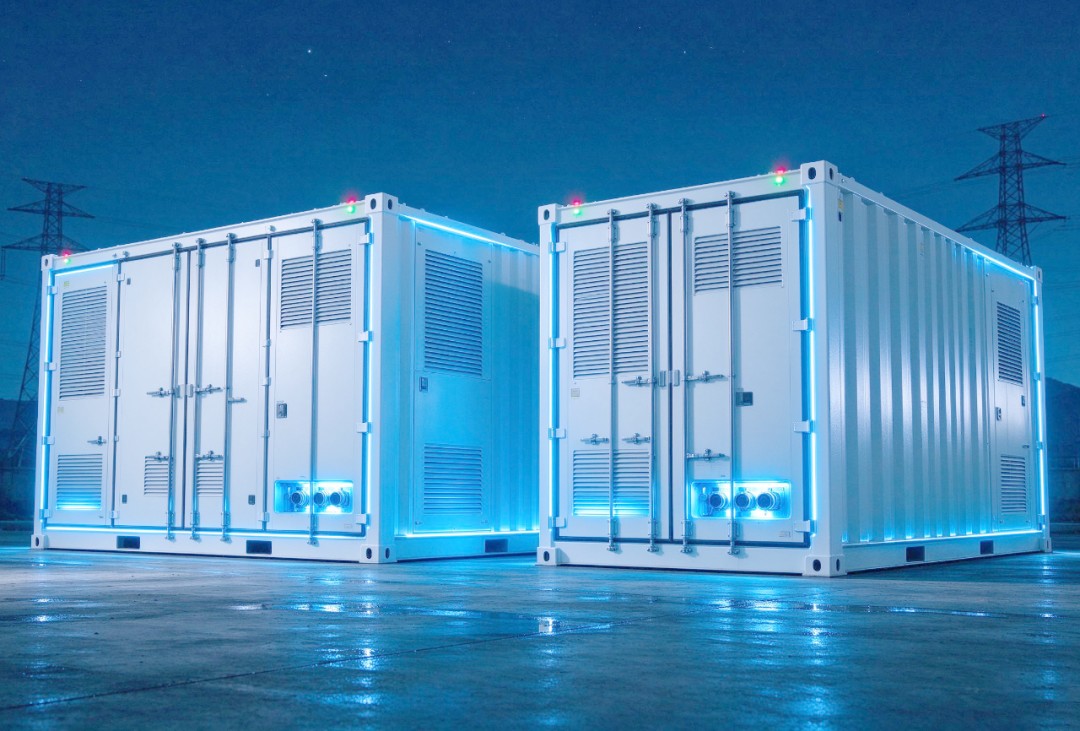
In a battery energy storage system (BESS), extinguishing visible flames does not necessarily stop the heat-generating reactions inside a lithium-ion cell. Reignition and cell-to-cell thermal runaway propagation therefore need to be considered separately from initial flame suppression.
The selection question is not simply which agent is “best.” It is whether the complete system can meet the project’s protection objectives in the actual battery and enclosure arrangement.
Three suppression technologies, three sets of design considerations
Condensed aerosol fire suppression
Condensed aerosol generators discharge a particulate-containing extinguishing medium that interferes with combustion reactions. Compact, locally installed generators can simplify distribution arrangements where the product and application permit. However, the designer must assess discharge temperature, clearances, particulate deposition, equipment compatibility and enclosure conditions. Flame suppression alone is not evidence that cell cooling or propagation control has been achieved.
FK-5-1-12 clean-agent suppression
FK-5-1-12 is the fire-protection designation for the fluoroketone commonly described as perfluorohexanone. It is stored as a liquid and vaporizes during discharge. Clean-agent systems can be considered where electrically nonconductive agents and minimal agent residue are important. Design concentration, distribution and enclosure integrity remain application-specific requirements.
A clean agent’s ability to suppress flames must not be treated as proof that it will arrest an established thermal runaway event. Review system-level test evidence, equipment compatibility, decomposition hazards, agent availability and applicable local requirements.
Water mist fire suppression
Water mist uses fine droplets to absorb heat, with performance governed by droplet distribution, water delivery, ventilation and access to the protected surfaces. Cooling is a relevant objective for BESS, but water mist must not be assumed to reach the hottest cells inside every enclosed battery pack.
Water supply, discharge duration, electrical safety, drainage, freeze protection and inspection access must be addressed. Some configurations use pumps and tanks; others use different supply arrangements. Select a tested system rather than assuming all water-mist products provide equivalent protection.
Start with three project questions
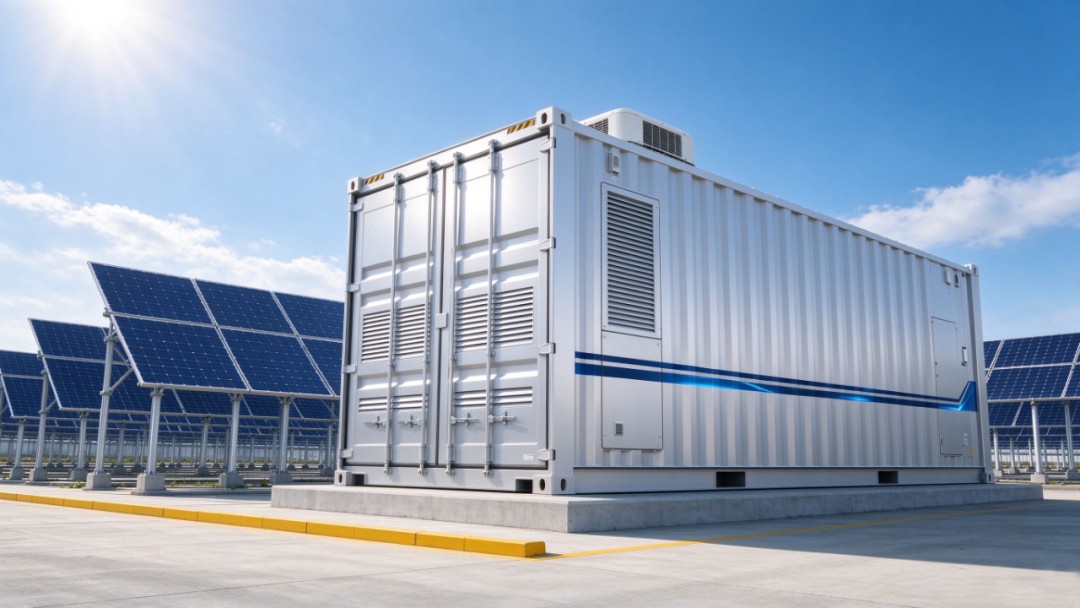
- What is the enclosure configuration? Establish cabinet or container geometry, battery layout, ventilation and the intended protection level: module, pack, rack or enclosure.
- What equipment constraints apply? Assess residue tolerance, electrical compatibility, discharge effects and the maintenance required after activation.
- What fire scenario must be controlled? Define flame suppression, exposure cooling, propagation mitigation and post-event monitoring objectives. Request evidence for the actual battery chemistry and arrangement.
Where different objectives call for different technologies, a combined approach may be considered. Its sequencing, detection logic and interactions require engineering review and relevant testing; combining agents does not automatically establish performance.
Apply standards within their jurisdiction and scope
The original Chinese article refers to GB/T 42288-2022, the Chinese safety code for electrochemical energy storage stations. Consult the full standard and applicable project requirements when assessing installations in China. Compliance must be assessed for the complete system and its intended application.
For overseas projects, identify the locally adopted requirements and review the edition applicable to the installation. NFPA 855 is a standard for the installation of stationary energy storage systems; referencing it is not a substitute for an application-specific compliance assessment.
Discuss your project requirements
Share the battery chemistry, cabinet or container arrangement, project location and intended protection objectives with our team to discuss suitable fire-protection options.
Sources and editorial notes
- China national standards platform: GB/T 42288-2022 — standard identification and status.
- NFPA 855 — scope of the installation standard.
- NFPA-hosted SUPDET presentation: From F-150s to Grid-Scale Storage — thermal runaway control considerations.